Fra samfunnsgeograf til skadeforebygger
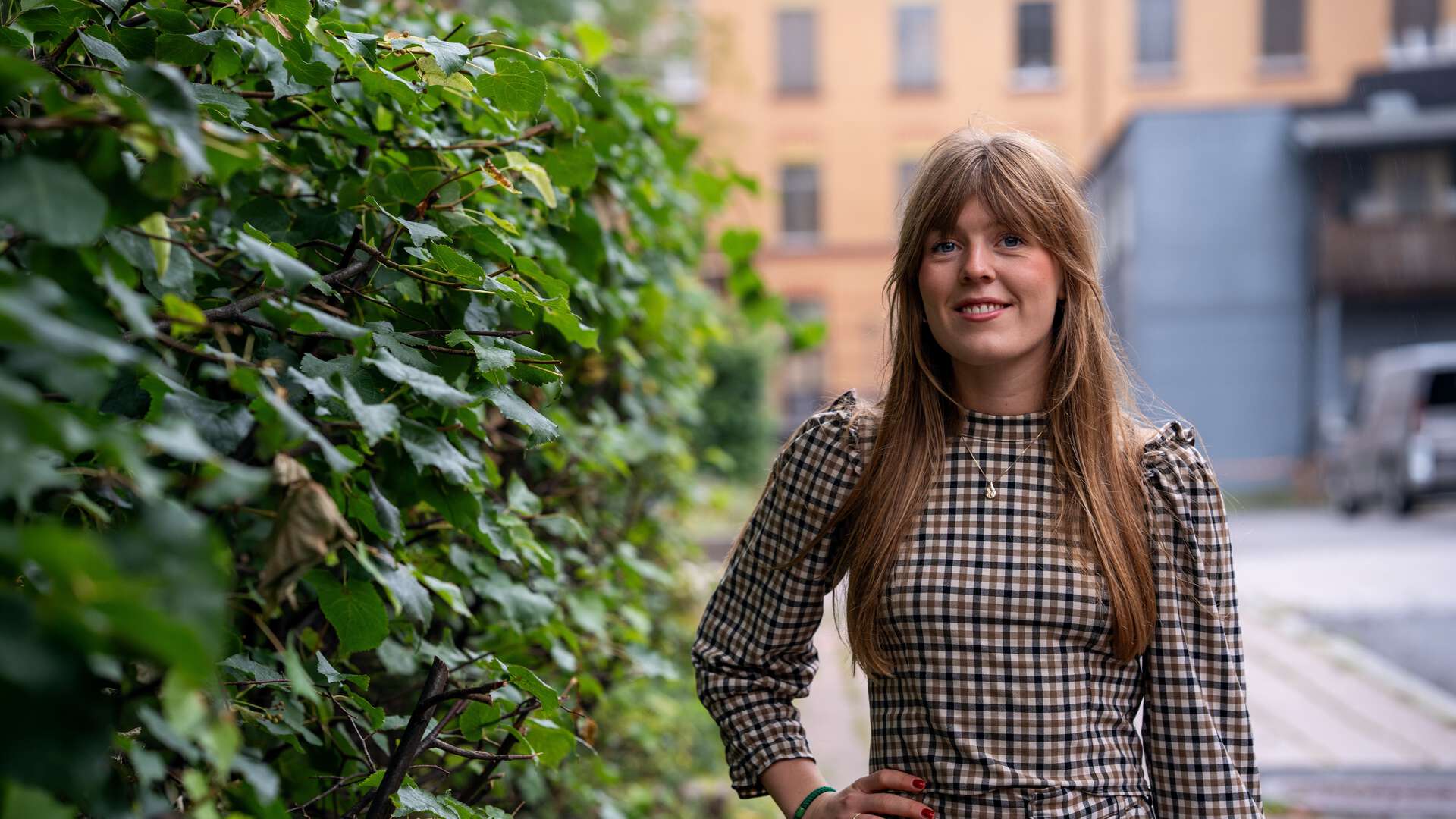
Karrieresenteret ved Universitetet i Oslo har intervjuet vår Aurora Trygg om yrkesvalg etter mastergraden i samfunnsgeografi. Vi er glade for å ha Aurora på laget. Hun bidrar med viktige perspektiver på hvordan skader kan forebygges gjennom god planlegging og tilrettelegging.
– Et viktig konsept fra studiene mine er at «sted betyr noe». Hvor folk bor, hvordan lokalsamfunn er utformet, og de sosiale forholdene rundt dem påvirker både hvilke risikoer folk møter og hvilke løsninger som vil fungere, sier Aurora.
Artikkelen viser hvor viktig det er å få inn ulike perspektiver og fagbakgrunner i det skadeforebyggende arbeidet. Vi håper den kan bidra til at flere blir interessert i hvordan deres kunnskap og kompetanse kan brukes til å skape tryggere samfunn.
Originalartikkelen følger nedenfor, på engelsk. Du kan også lese den her.
Building safer communities through local action
Aurora Trygg, a Human Geography graduate, works as a Safety Promotion Advisor at the Norwegian Safety Forum. Drawing on her expertise in place, scale and age-friendly development, she helps municipalities strengthen injury-prevention efforts
What is your job description?
Skadeforebyggende Forum (Skafor) is a national organization working to prevent injuries and accidents. We collaborate with municipalities, organizations and authorities across the country to strengthen injury-prevention efforts.
My role is to develop and strengthen our network of municipalities, called “Trygge lokalsamfunn” (Safe Communities), and encourage and support municipalities, organizations and people in preventing injuries and creating safer communities. This includes sharing knowledge about injuries and accidents, organizing meetings and seminars, contributing to the organization’s communication work, and taking part in the daily work of our small secretariat. We have a particular focus on vulnerable populations and high-risk environments.
What is the most exciting thing about your job?
First of all, I find it very meaningful to contribute to reducing the burden that injuries can have on individuals and society.
I also really appreciate being part of a small organization. It means a lot of responsibility early on, and a short distance from idea to action. That, combined with the fact that the job is so varied, keeps the work interesting.
In addition, I get the opportunity to meet and collaborate with people working in different sectors and with different areas of expertise, but who share the same overall goal of creating safer communities. This widens my perspective and also brings in new ones. I get to attend conferences and learn about a wide range of topics, from drowning prevention and product safety to traffic safety and age-friendly development.
How do you use your educational background at work?
A key concept from my studies is that “place matters”. Where people live, how communities are designed, and the social conditions surrounding them all influence both what risks people face and what solutions will work. This is particularly useful when working with different municipalities, because there is no one-size-fits-all solution. What works in a large city may not necessarily work in a small rural municipality.
I think my background also gives me a broad and interdisciplinary perspective. Human geography encourages you to look at the bigger picture and understand how different factors interact, which is very useful in the field of public health and injury prevention, where solutions often require collaboration across sectors.
I also work a lot with the concept scale, a term used frequently in human geography. In my job, we work across scales, when trying to translate global visions and national policies into something municipalities actually can use and adapt to their local realities.
What is a typical day at work?
Honestly, there’s no such thing as a «typical» day here, and that’s part of what makes the job interesting. The tasks vary a lot depending on the week and what’s happening in the field.
Some days revolve around communication: writing articles, press releases, and social media posts, or preparing for webinars and answering inquiries from municipalities and members. Other days are more about relationship-building, following up with our network of municipalities, or coordinating our exhibition that travels around to municipalities all around the country.
We also spend time planning our own events and conferences, and traveling to conferences elsewhere to gather knowledge and stay updated on developments in the field. And of course, there’s the everyday work of a small secretariat: discussing with colleagues, answering emails, and developing new ideas together.
How did you get the job?
I wrote my master’s thesis on safety for the elderly in the built urban environment, and how age-friendly development can contribute to better inclusion of the elderly population. In my thesis, I used one of Skafor’s digital tools on hip fractures, since falls and hip fractures are a major issue among the elderly in particular. The tool “Fallbarometeret” provides each municipality with an overview of hip fracture rates and associated costs, and I used this in my thesis to illustrate the economic consequences of failing to design cities that accommodate older people.
The very next day, I happened to see the job advertised on Finn.no, and I felt that the job description was made for me. I was lucky with the algorithms! During the interview, I felt that we spoke the same language, as I had a lot of knowledge on elderly safety (which is a focus area for Skafor) because of my thesis.
And perhaps my last name, Trygg (which means “safe” in English), gave me a little extra advantage! Working with safety promotion and with our Safe communities network – I guess my name gives me a certain legitimacy in the role. Perhaps I was destined to work with safety all along.
What are your best tips to students who are looking for your type of job?
Write about what genuinely engages you. For my thesis, I chose a topic I was truly passionate about and I think that was what made me a strong candidate for this job. My genuine interest in the field was reflected in how motivated I was to actually get the position.
Be flexible and open to part-time roles and temporary positions. My position started as a half-year engagement, but this was an important step toward a permanent role, and it would also have given me valuable experience even if Skafor hadn’t chosen to extend my position.
Get a part-time job beside your studies. It doesn’t necessarily have to be directly relevant to your field, a lot of jobs can give you valuable experience and skills anyway. For example, I worked as a school visitor for the University of Oslo, visiting high schools and talking about human geography. This taught me how to communicate clearly and translate academic material into something easier for a general audience to understand. That kind of communication skill was useful in the position I have now. I also worked for several years at a nursing home, which wasn’t necessarily relevant to my studies at the time. But today, that experience is valuable in my work on elderly safety, giving me a better understanding of the challenges older people actually face.